+91-22-40032869 / 35107562

A well-organized kitchen is not just about aesthetics, it directly impacts food freshness, hygiene, and daily convenience. In many Indian households, especially in cities with humid weather like Mumbai, improper food storage often leads to stale snacks, moisture buildup, foul odors, pest problems, and unnecessary food wastage.
After 35+ years in the plastic manufacturing industry and understanding how Indian kitchens function, one thing has become very clear: the right food storage habits can completely transform how a kitchen operates.
From preserving spices and namkeen to managing leftovers and organizing cluttered shelves, smart storage solutions make everyday cooking easier and more hygienic.
In this blog, we’ll share 5 essential food storage tips that every kitchen should follow to keep food fresh, organized, and safe for longer.

One of the biggest reasons food loses freshness quickly is exposure to air and moisture. This is especially common during Indian summers and monsoon seasons, where humidity can spoil snacks, spices, and dry food items much faster.
Airtight containers help create a protective barrier that keeps:
Moisture out
Food odors contained
Snacks crispy
Spices aromatic
Pests and ants away
Food items like namkeen, biscuits, spices, dry fruits, cereals, and leftovers stay fresher for longer when stored properly.
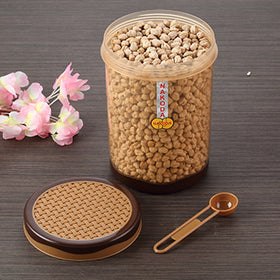
Transparent airtight containers are particularly useful because they allow you to quickly identify contents without opening multiple boxes repeatedly. This not only saves time but also helps maintain better kitchen organization.
For daily kitchen use, products like the Pluto Container are ideal for storing spices, snacks, and pantry essentials while maintaining visibility and freshness.
Store dry food only after it has cooled completely
Use separate containers for strong-smelling foods
Clean lids regularly to maintain airtight sealing
Store hot leftovers immediately with closed lids
Leave snacks in opened packets
Mix old and new food stock together

Cluttered shelves are one of the most common problems in Indian kitchens. Different packet sizes, loose food items, and irregular containers often waste valuable storage space.
Stackable storage containers help maximize vertical space and create a cleaner, more organized kitchen layout.
Instead of overcrowded shelves and difficult-to-reach items, stackable containers allow:
Better space management
Easier access to ingredients
Cleaner-looking kitchen cabinets
Faster meal preparation
This becomes even more important in compact urban kitchens where storage space is limited.
One customer shared with us that before switching to organized storage containers, managing groceries and leftovers was becoming stressful. Her kitchen constantly looked cluttered, and food items frequently lost freshness. After organizing ingredients using storage containers, she found it much easier to maintain hygiene, keep food fresh, and manage kitchen space efficiently.
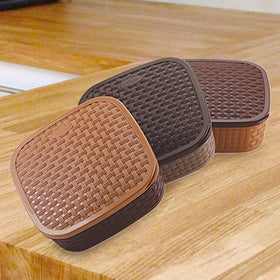
Products like the Della Container help create a neat and space-efficient pantry setup for everyday household use.
Store frequently used ingredients like tea, sugar, spices, and snacks at eye level while placing bulk items on upper shelves.
Many kitchens unknowingly create hygiene issues by storing different food categories together. Strong-smelling foods, oily snacks, spices, and leftovers can transfer odors and affect freshness.
Using dedicated containers for different food types improves:
Food hygiene
Odor control
Shelf life
Kitchen cleanliness
For example:
Use separate jars for spices
Keep cereals in moisture-resistant containers
Store leftovers in fridge-safe boxes
Keep namkeen and snacks in airtight dry containers
Cereal jars are especially useful in Indian households because cereals, poha, oats, dry fruits, and pulses are commonly used daily and require easy accessibility.
The Cereal Jar Flap Lid and Cereal Jar Plain Lid are practical options for storing cereals and pantry staples while keeping shelves neat and organized.
Never store spices or snacks near moisture-heavy areas like sinks or stove steam zones. Even small moisture exposure can affect texture and aroma over time.
Improper refrigerator storage often causes:
Bad smells
Food contamination
Spillage
Faster spoilage
Leftovers should always be stored in properly sealed fridge containers to maintain hygiene and freshness.
Transparent fridge containers are especially helpful because they reduce forgotten leftovers hiding behind larger utensils, a major reason for food wastage in many households.
In humid climates, uncovered leftovers can spoil quickly or absorb refrigerator odors. Using quality food-grade containers helps reduce contamination risks while maintaining food quality.
The Pluto Container works well for organizing leftovers and ready-to-use ingredients inside refrigerators.
Label leftovers when possible
Consume refrigerated food within recommended timeframes
Avoid overfilling containers
Keep refrigerator shelves organized weekly
Store leftovers in medium-sized containers
Use transparent boxes for easy visibility
Wipe containers dry before refrigerating
Keep food uncovered in steel bowls
Store leaking curry containers loosely
Forget old leftovers at the back of shelves
Not all storage containers are built for long-term kitchen use. Cheap-quality containers may crack easily, absorb odors, stain quickly, or fail to seal properly.
Investing in durable, food-grade plastic containers provides better:
Food safety
Long-term usability
Kitchen hygiene
Cost efficiency
One common misconception is that all plastic containers are unsafe. In reality, quality food-grade plastic designed specifically for kitchen storage can be both safe and practical for everyday use.
Another important factor is durability. Indian kitchens involve frequent usage, washing, stacking, and handling. Containers should withstand daily wear without losing functionality.
With over three decades of manufacturing experience, we’ve seen how customers increasingly prefer storage solutions that combine:
Durability
Affordability
Space efficiency
Easy maintenance
Modern kitchen aesthetics
The Della Container and Pluto Container are designed keeping these everyday kitchen requirements in mind.
Good food storage is not just about keeping ingredients inside containers, it’s about maintaining freshness, improving hygiene, reducing food wastage, and creating a kitchen that feels easier to manage every day.
Small changes like using airtight containers, organizing shelves vertically, separating food categories, and choosing durable storage solutions can make a noticeable difference in both convenience and cleanliness.
For Indian households dealing with humidity, limited kitchen space, and daily cooking routines, smart storage becomes even more important.
Whether you are organizing spices, storing leftovers, managing snacks, or decluttering pantry shelves, investing in practical storage habits helps create a more efficient and hygienic kitchen for the entire family.