+91-22-40032869 / 35107562

For office employees, delivery professionals, and factory workers, carrying home-cooked food is not just about convenience anymore - it is about hygiene, saving money, and eating fresh meals during long working hours. But one common problem many people face is this:
By lunchtime, the food becomes soggy, leaks inside the bag, mixes smells, or loses freshness completely.
This is exactly why insulated lunch boxes have become an essential part of daily work life. However, simply owning an insulated tiffin is not enough. The way you pack your meals plays a major role in keeping food warm, fresh, and enjoyable throughout the day.
At Nakoda Plast, we regularly interact with customers who use insulated office tiffins daily for long work shifts. Based on customer experiences and practical usage, here are some effective ways to pack insulated lunch boxes properly for long workdays.

Even high-quality insulated tiffins can only perform well when food is packed correctly. Poor packing methods often lead to:
Leakage inside office bags
Rotis becoming dry or chewy
Rice and sabzi becoming soggy
Smell mixing between compartments
Loss of freshness after a few hours
Hygiene concerns during travel
Proper meal packing helps maintain:
Freshness
Taste
Texture
Cleanliness
Convenience during work hours

The first step is choosing an insulated lunch box made using food-safe materials and designed for daily office use.
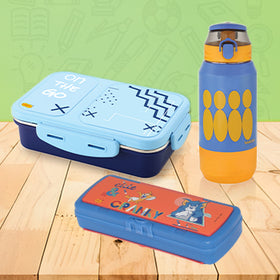
Our insulated office tiffins are made using BPA-free, food-grade materials that are compact, leak-resistant, and easy to clean. They are specially designed for office employees and professionals who carry meals daily.
Some popular options include:
These tiffins are ideal for carrying Indian meals comfortably during long work schedules.
One of the most common reasons for leakage is improper sealing.
Before placing the lunch box inside your bag:
Ensure the lid is tightly locked
Check if the container edges are clean
Avoid overfilling curry or liquid items
Keep the tiffin upright while traveling
This simple habit can prevent food spills and maintain hygiene inside your office bag.
Many people complain that rotis become dry, hard, or cold by lunchtime.
A practical solution many users follow is:
Wrapping rotis in butter paper, foil, or a soft cotton cloth before placing them inside the container
This helps:
Retain warmth longer
Prevent moisture loss
Keep rotis softer and fresher
For long workdays, this small trick makes a noticeable difference.
A common mistake is packing steaming hot food directly into the lunch box and closing the lid instantly.
This creates excess moisture inside the container, leading to:
Soggy food
Condensation
Mixed textures
Instead:
Allow food to cool slightly for 2–3 minutes
Then seal the insulated lunch box
This helps preserve the original texture of the meal.
For long office hours, dry or semi-dry Indian dishes generally stay fresher compared to watery curries.
Good lunch options include:
Jeera rice
Vegetable pulao
Paneer bhurji
Dry sabzi
Thepla
Paratha
Idli
Poha
Upma
These foods travel well and maintain texture better during long shifts.
Smell mixing is another major complaint in lunch boxes.
To avoid this:
Use separate containers for curries and dry items
Avoid mixing onion-heavy dishes with sweets or salads
Use tightly sealed compartments
Proper separation helps preserve the original taste of each food item.
Hygiene becomes extremely important when lunch boxes are used every day.
After use:
Wash containers properly with mild soap
Clean the lid edges carefully
Dry completely before storing
Avoid keeping leftover food overnight
Easy-to-clean insulated lunch boxes save time and maintain long-term freshness.
Many customers who use insulated office tiffins daily for offices, factories, and delivery jobs often share similar feedback:
Food stays fresh for long hours
Meals remain warm enough for comfortable eating
Leakage issues are minimal when sealed properly
Cleaning is easy after daily use
One important thing we always communicate honestly is:
Insulated lunch boxes help retain warmth and freshness, but they are not designed to keep food piping hot for several hours like electric heating systems.
Setting realistic expectations helps users get the best experience from their tiffins.
Today’s professionals need lunch boxes that are:
Compact
Lightweight
Durable
Leak-resistant
Budget-friendly
Easy to carry daily
This is why insulated office tiffins continue to be a practical solution for:
Corporate employees
Delivery executives
Factory workers
Field professionals
Daily commuters
Packing food properly is just as important as choosing the right insulated lunch box. Small habits like sealing correctly, wrapping rotis separately, and choosing suitable meals can significantly improve freshness during long workdays.
A well-packed insulated tiffin helps you enjoy hygienic, home-cooked food without worrying about leakage, sogginess, or smell mixing during busy schedules.
If you are looking for practical and office-friendly insulated lunch boxes, explore Nakoda Plast’s insulated office tiffin collection designed for everyday use.