+91-22-40032869 / 35107562

BPA-free containers are safer for food storage and daily use
Look for food-grade, ISO-certified plastic to ensure safety
Durability and design matter more than price alone
Cheap containers crack, fade, and loosen quickly, costing more over time
Premium, well-designed containers offer better longevity, safety, and organization

BPA-free kitchen storage containers are made without Bisphenol A (BPA), a chemical commonly found in low-quality plastics that can leach into food and pose health risks.
In simple terms:
👉 BPA-free = safer food storage + better long-term use
For modern kitchens, especially in urban homes and bulk storage setups, BPA-free containers are no longer optional; they’re essential.
Low-quality plastics can release harmful chemicals, especially when exposed to heat or long storage durations.
BPA-free, food-grade plastic ensures your food stays uncontaminated.
From real-world usage patterns:
Frequent opening/closing
Stacking in tight kitchen spaces
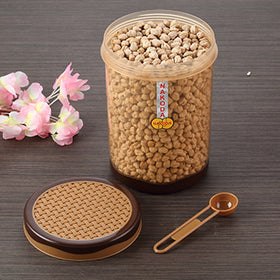
Handling bulk grains
Cheap containers fail under these conditions.
High-quality ones are engineered for everyday stress.
A common mistake buyers make:
Choosing cheaper containers that need replacement every few months
Premium BPA-free containers:
Don’t crack after a single drop
Maintain transparency
Keep lids tight over time
👉 Result: Lower replacement cost + better user experience

Based on real user behavior and market patterns:
One accidental drop, and the container cracks.
You can’t see what’s inside after a few months.
Leads to:
Moisture entering
Food spoilage
Messy storage
These are not minor inconveniences; they directly affect usability and hygiene.
Always check for:
Food-grade plastic
ISO certification
These ensure:
No harmful chemical leaching
Safe long-term storage of grains and food
A good container should:
Withstand daily handling
Survive accidental drops
Resist wear and tear
From practical experience:
Well-built containers don’t show damage even after repeated use, unlike cheaper alternatives.
For Indian kitchens (especially flats and compact homes):
Stackable shapes
Space-efficient sizes
Easy-to-handle lids
Design is not aesthetic, it’s functional.
If you store:
Rice
Wheat
Pulses
You need containers that:
Handle weight
Maintain freshness
Are easy to refill and clean
A truly good container should:
Open/close smoothly
Be easy to clean
Fit into daily routines without friction
Before:
Mismatched containers
Wasted shelf space
Frequent replacements
After switching to high-quality BPA-free containers:
Organized shelves
Better visibility of items
Reduced clutter
Longer product lifespan
👉 The biggest transformation is not just storage, it’s efficiency + peace of mind
|
Feature |
BPA-Free Containers |
Regular Cheap Plastic |
|
Safety |
✅ Food-safe |
❌ Risk of chemical leaching |
|
Durability |
✅ Long-lasting |
❌ Breaks easily |
|
Transparency |
✅ Stays clear |
❌ Turns cloudy |
|
Lid Quality |
✅ Tight seal |
❌ Loosens quickly |
|
Cost Over Time |
✅ Lower |
❌ Higher (frequent replacement) |
Urban households with limited space
Bulk storage users (grains, pulses)
Families prioritizing food safety
Anyone tired of replacing containers repeatedly
From a product and usage perspective:
The biggest mistake buyers make is evaluating containers only on price.
In reality, the key factors should be:
Material safety
Structural durability
Functional design
When these are optimized together, containers become a long-term kitchen asset, not a recurring expense.
If you're planning to upgrade your kitchen storage, explore premium, BPA-free storage containers designed for durability and everyday usability.
Focus on:
ISO-certified materials
Stackable, space-saving designs
Containers built for bulk storage and daily handling
BPA-free containers are essential for safe and hygienic food storage
Cheap plastic containers cost more in the long run due to frequent replacement
Always choose food-grade, ISO-certified materials
Durability and design directly impact daily usability
Investing in quality containers improves organization, efficiency, and peace of mind
Yes, BPA-free containers made from food-grade plastic are considered safe for everyday food storage, especially when certified and manufactured under quality standards.
Check product labels, certifications (like ISO), and material descriptions such as food-grade plastic. Reliable brands clearly mention BPA-free compliance.
Glass is more durable against heat, but BPA-free plastic containers are lighter, more practical for daily use, and better suited for bulk storage and stacking.
Yes, high-quality BPA-free containers are more durable and resistant to cracks, fading, and lid loosening compared to cheap plastic alternatives.
Absolutely. They are ideal for storing grains, pulses, and dry food items due to their durability and airtight design.