+91-22-40032869 / 35107562

A well-organized kitchen isn’t about having more containers; it’s about having the right storage system.
In our experience working with Indian households, especially compact urban kitchens and evolving Tier 2/3 setups, we consistently see the same storage mistakes repeated. These mistakes don’t just create clutter; they lead to wasted space, food spoilage, and daily frustration.
Choosing the right storage containers for kitchen use can completely transform how efficiently your space functions on a daily basis.
Let’s break down the most common kitchen storage mistakes and how to fix them with practical, real-world solutions.

Most people buy containers individually, different sizes, shapes, and heights, without thinking about how they fit together.
Wasted vertical space
Messy shelves
Difficulty in accessing items
Switch to stackable storage containers for kitchen organization that are designed to maximize vertical space.
In smaller Indian kitchens where cabinet space is limited, using the right storage containers for kitchen setups can increase usable space by 30-40%.

Buying fancy, printed, or opaque containers because they “look good.”
You can’t see what’s inside
Leads to duplicate purchases
Increases food wastage
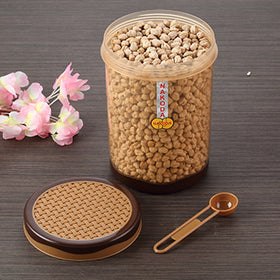
Use transparent storage containers for kitchen use to improve visibility and efficiency.
This is especially important in Indian kitchens where we store:
Multiple grains (rice, wheat, pulses)
Daily-use spices
Overlooking lid quality while purchasing storage containers for kitchen needs.
Lids loosen with daily use
Loss of airtight seal
Moisture enters → food spoils faster
Invest in durable storage containers for kitchen use that offer strong locking systems and long-lasting seals.
Buying containers without considering usage frequency.
Too large → occupies space unnecessarily
Too small → constant refilling
Poor workflow in kitchen
Choose storage containers for kitchen organization based on actual consumption patterns:
Large → bulk grains
Medium → pulses
Small → spices
Buying different materials without understanding their practical use.
For most households, plastic storage containers for kitchen use offer the best balance of:
Durability
Affordability
Lightweight handling
Daily convenience
Applying generic storage ideas without considering actual kitchen size.
Use compact and stackable storage containers for kitchen spaces designed specifically for smaller cabinets and shelves.
Using non-airtight containers for everything.
Choose airtight storage containers for kitchen essentials like:
Spices
Pulses
Flours
Even the best storage containers for kitchen use fail if not organized properly.
Group items
Stack efficiently
Maintain accessibility
From real usage patterns, the most effective approach is:
Stackable storage containers for kitchen organization outperform random buying
Transparent containers reduce food waste
Durability > design for daily usage
High-quality plastic storage containers for kitchen needs offer the best ROI
If you're planning to upgrade, start with modular storage containers for kitchen organization that are:
Stackable
Transparent
Durable
Designed for Indian usage
👉 Explore here:
Nakoda Plast storage containers collection
Choosing the right storage containers for kitchen use is not just about organization—it’s about improving your daily workflow.
Avoiding these mistakes will help you:
Save space
Reduce waste
Improve efficiency
Simplify your kitchen routine
1. What type of containers are best for Indian kitchens?
Stackable, airtight, and transparent containers work best due to space constraints and the variety of stored items.
2. Are plastic containers safe for kitchen storage?
Yes, if they are made from high-quality, food-grade plastic designed for durability and daily use.
3. Why do container lids become loose?
Low-quality materials and frequent usage cause wear and tear in locking mechanisms.
4. How can I organize a small kitchen effectively?
Use vertical stacking, modular containers, and categorize items based on usage.
5. Airtight vs non-airtight containers: which is better?
Airtight containers are essential for preserving freshness, especially for grains and spices.