+91-22-40032869 / 35107562

Kitchen cabinets often become clutter hotspots - especially in Indian homes where bulk groceries, spices, and daily cooking essentials all compete for limited space. As a manufacturer of kitchen storage solutions, we’ve seen firsthand how the right storage boxes can transform a messy cabinet into a clean, functional, and stress-free cooking space.
This guide shares practical, real-world ideas to organize kitchen cabinets effectively using storage boxes - specifically tailored for urban modular kitchens in India.

From our customer feedback and product usage insights, most kitchen organization issues come down to:
Poor visibility inside cabinets
Inefficient stacking of containers
Moisture affecting food storage
Lack of standardized container sizes
Overcrowded shelves due to bulk grocery storage
Well-designed storage boxes solve these problems by improving accessibility, hygiene, and space utilization.

Indian kitchens typically store grains, pulses, flour, sugar, and snacks in bulk. Airtight storage boxes:
Preserve freshness and prevent moisture damage
Protect food from pests
Reduce odor mixing
Improve shelf life significantly
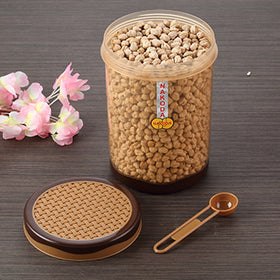
Pro tip: Use transparent airtight containers so you can instantly see stock levels without opening each box.
One of the biggest mistakes in cabinet organization is ignoring vertical space.
Stackable plastic storage boxes:
Maximize cabinet height usage
Prevent unstable piling of mismatched containers
Create a uniform, visually clean look
Customers often tell us their cabinets look larger simply because stacking becomes structured instead of chaotic.
For Indian kitchens, grain storage deserves special attention:
Use larger containers for rice, wheat, and atta
Medium containers for pulses and dals
Smaller boxes for dry fruits and specialty grains
Keeping similar items grouped reduces search time and prevents unnecessary handling.
Spices are essential but easily clutter cabinets.
Best approach:
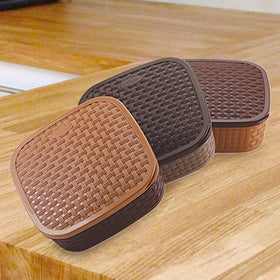
Compact spice storage boxes or modular spice containers
Group frequently used spices separately
Keep backup stock in stackable containers
This prevents cabinet overcrowding while keeping daily cooking efficient.
Opaque containers often lead to overbuying because you can’t see what’s inside.
Transparent or semi-transparent storage boxes:
Improve inventory visibility
Reduce food wastage
Make cabinet organization visually pleasing
Many customers report they shop smarter once visibility improves.
Organizing by category dramatically improves usability:
Suggested cabinet zoning:
Daily cooking essentials zone
Bulk storage zone
Snacks and ready-to-eat zone
Spices and condiments zone
Storage boxes help maintain these zones consistently.
Material quality directly impacts:
Food safety
Container longevity
Resistance to staining and odor retention
Food-grade, BPA-free plastic storage boxes are generally preferred in modern Indian kitchens due to durability, lightweight handling, and affordability.
Many homeowners initially approach us because their kitchen looks cluttered despite having enough cabinet space. After switching to standardized, stackable kitchen storage boxes, they consistently report:
Better cabinet visibility
Easier cleaning
Reduced food spoilage
More organized cooking workflow
The transformation is often more about systematic storage than adding new cabinets.
Organizing kitchen cabinets isn’t about buying more containers - it’s about choosing the right storage boxes designed for how Indian kitchens actually function.
Airtight seals, stackable design, food-safe materials, and visibility-focused storage solutions can completely change your kitchen experience - making cooking smoother, faster, and more enjoyable.
If you’re planning to upgrade your kitchen organization, investing in quality kitchen storage boxes is one of the simplest yet most impactful decisions you can make.
1. What are the best storage boxes for kitchen cabinets?
Airtight, stackable, food-grade storage boxes are ideal. They help maintain freshness, improve visibility, and optimize cabinet space effectively.
2. How do storage boxes help organize kitchen cabinets?
Storage boxes create structured storage zones, prevent clutter, improve accessibility, and make it easier to store bulk groceries common in Indian kitchens.
3. Are plastic storage boxes safe for kitchen use?
Yes, food-grade BPA-free plastic storage boxes are safe, durable, lightweight, and widely preferred for modern kitchen organization.
4. How can I maximize cabinet space using storage boxes?
Use stackable containers, standardize container sizes, and group similar items together to utilize vertical cabinet space efficiently.
5. Should spices be stored in separate storage boxes?
Yes, dedicated spice storage boxes prevent clutter, improve accessibility during cooking, and help maintain freshness.
6. Why choose airtight containers for kitchen storage?
Airtight containers protect food from moisture, pests, and contamination while preserving freshness and shelf life.