+91-22-40032869 / 35107562

In Indian households, the kitchen pantry stores rice, atta, multiple dals, masalas, poha, sooji, dry fruits, snacks, and backup grocery stock. However, limited shelf space combined with bulk buying often leads to clutter, food waste, and pest problems.
Therefore, choosing the right Storage Containers for kitchen is not just about appearance. It directly affects hygiene, efficiency, and long term usability.
If you are selecting durable containers for kitchen, manufacturers like Nakoda Plast, with over 35 years of manufacturing experience, understand Indian storage patterns such as humidity exposure and bulk grain handling.

In most Indian apartments, storage space is compact. As a result, deep shelves often hide items at the back. Moreover, frequent grocery refills increase the risk of clutter buildup.
Busy professionals, in particular, do not have time to reorganize weekly. Consequently, without proper containers to organize kitchen pantry, dry goods remain in half-open packets, increasing pest exposure.
Because Indian kitchens commonly store large quantities of grains and pulses, the storage system must prioritize function over aesthetics.

Before purchasing any Storage Containers for kitchen, measure:
Shelf width
Shelf depth
Shelf height
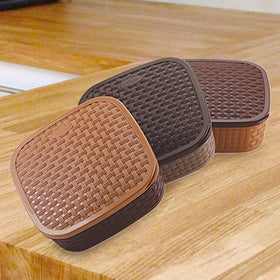
Most Indian shelves are between 12 and 15 inches deep. In contrast, round containers waste valuable corner space. Square or rectangular plastic containers to organize kitchen pantry maximize usable shelf area. As a result, stacking becomes easier and more stable.
Not all containers perform equally. Therefore, evaluate the following:
Airtight sealing mechanism
Flat lids for stacking
Transparent body for visibility
Uniform height alignment
Food-grade durable plastic
For example, airtight seals significantly reduce moisture exposure. Similarly, uniform heights prevent wasted vertical gaps.
Manufacturers like Nakoda Plast leverage 35 plus years of expertise to design containers for kitchen that withstand daily usage and Indian climate conditions.
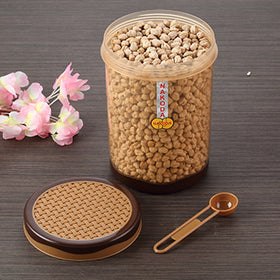
Pulses such as moong, masoor, toor, chana, and rajma are highly sensitive to humidity.
Therefore, when selecting a Container to store pulses in kitchen, ensure:
Secure locking lid
Stackable base
Capacity matching monthly usage
Transparent visibility
If pulses are stored in loose packets, infestation risk increases. However, airtight plastic containers to organize kitchen pantry create a protective barrier against insects and moisture.
As a result, food freshness improves and waste decreases.
When buying Storage Containers for kitchen, product quality directly affects durability.
For instance, weak lids can loosen over time. In contrast, engineered airtight designs maintain sealing performance for years.
Nakoda Plast, with over 35 years of manufacturing experience, understands Indian storage requirements. Because of this long standing expertise, their products are designed for bulk grain weight, stacking pressure, and daily handling.
Therefore, choosing experienced manufacturers ensures long term reliability.
First, divide items into zones:
Daily Use Zone
Rice, atta, regular dals
Weekly Use Zone
Besan, poha, sooji
Rare Use Zone
Festival ingredients and backup stock
Snack Zone
Namkeen and biscuits
This system ensures quick access. Moreover, it reduces daily search time.
Flat lid plastic containers to organize kitchen pantry allow secure stacking. As a result, vertical space is fully utilized.
On the other hand, mismatched container heights create unstable stacks and wasted gaps.
Many households delay transferring groceries. However, temporary packet storage often becomes permanent clutter.
Therefore, transfer items into proper Storage Containers for kitchen on the same day of purchase. This simple habit prevents long term disorganization.
Instead of frequent reorganizing, adopt a monthly reset.
Allocate 20 to 30 minutes to:
Empty shelves
Wipe and dry surfaces
Check expiry dates
Refill low containers
Realign stacks
As a result, clutter never escalates into a major problem.
Because food safety is critical, always ensure:
Use of food-grade plastic
Airtight seals
Dry shelf conditions
Limited stock duration of three months
In addition, traditional practices such as placing bay leaves inside rice containers can offer added protection.
High quality containers for kitchen play a central role in maintaining hygiene standards.
Using structured containers to organize kitchen pantry provides measurable benefits.
Reduced food waste
Improved visibility
Faster cooking workflow
Lower pest risk
Efficient shelf utilization
Cleaner kitchen environment
Therefore, the right Container to store pulse in kitchen is not a luxury but a necessity.
An organized pantry improves efficiency, reduces waste, and enhances hygiene.
Therefore, by selecting the right Storage Containers for kitchen, standardizing container sizes, and organizing by frequency, even a compact Indian kitchen can become structured and manageable.
Manufacturers like Nakoda Plast, with over 35 years of expertise, provide durable containers for kitchen designed for Indian storage needs.
Consistency, not decoration, creates lasting organization.
1. What are the best Storage Containers for kitchen in Indian homes?
Airtight, stackable, food-grade plastic containers with flat lids and transparent bodies are ideal. They maximize shelf efficiency and protect food from moisture.
2. Why use plastic containers to organize kitchen pantry instead of packets?
Packets expose food to humidity and pests. In contrast, airtight plastic containers preserve freshness and improve hygiene.
3. How do I choose the right Container to store pulse in kitchen?
Select an airtight, stackable container with capacity aligned to your monthly consumption. This prevents excess air exposure.
4. How many containers are needed for a small pantry?
Most small Indian pantries require 2 to 3 large containers for rice and atta, 4 to 6 medium containers for pulses, and 3 to 5 smaller containers for weekly-use items.